
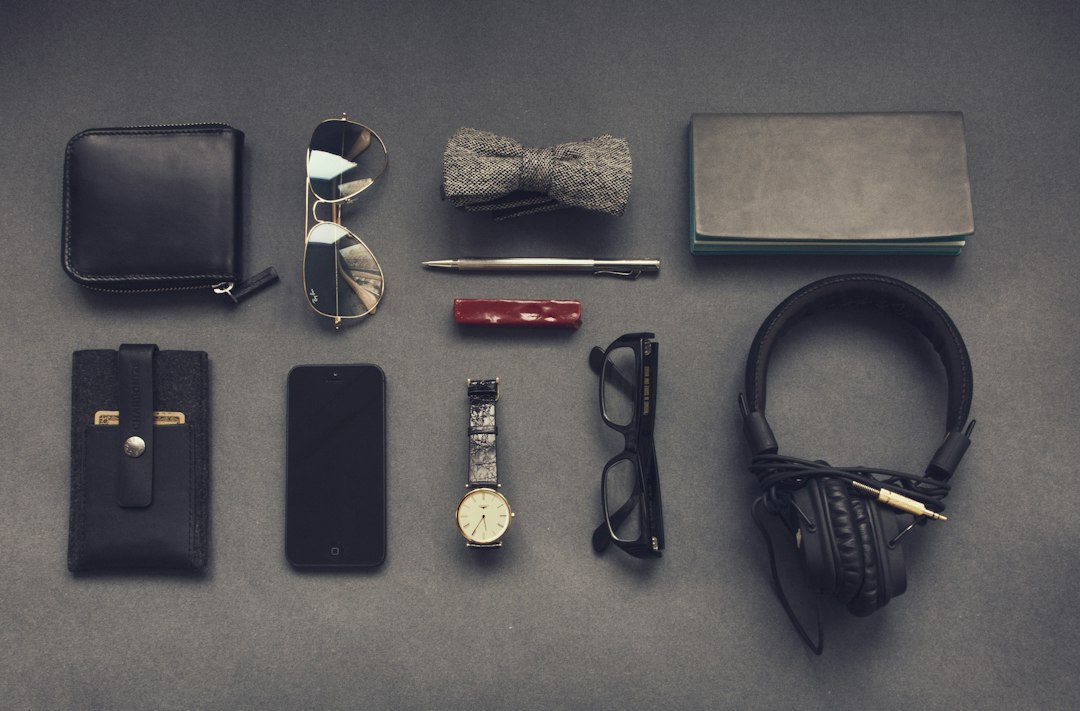
Unlock the Secret: How the Right Accessories Can Transform Your Style in Seconds
Style is more than just clothing, it’s about making a statement without saying a word. While a well-fitted outfit forms the foundation of your look, the magic often lies in the details. The right accessories can elevate a simple ensemble from ordinary to extraordinary, adding personality, polish, and a touch of sophistication. Whether you’re dressing for a casual day out, a professional meeting, or a night on the town, the perfect accessories can transform your style in seconds.
In this guide, we’ll explore how strategic accessory choices can redefine your look, enhance your confidence, and help you express your unique sense of style. From timeless staples to trendy statement pieces, we’ll break down the psychology behind accessorizing and provide practical tips to curate a collection that works for every occasion.
—
Why Accessories Matter: The Psychology of Style
Accessories are more than just decorative items, they play a crucial role in shaping how others perceive you and how you feel about yourself. Here’s why they matter:
- First Impressions: Studies show that people form opinions within seconds of meeting someone. A well-chosen accessory can instantly make you appear more put-together, confident, and intentional.
- Personal Expression: Accessories allow you to showcase your personality, interests, and cultural influences. A bold necklace, a vintage watch, or a unique scarf can tell a story without words.
- Balance and Proportion: The right accessories can draw attention to your best features while subtly enhancing your outfit. For example, a statement earring can elongate a face, while a structured bag can add structure to a flowing dress.
- Confidence Boost: When you feel good in what you wear, it reflects in your posture, speech, and overall demeanor. Accessories that flatter your style and body type can give you an instant confidence boost.
—
The Power of Layering: How Accessories Build Your Look
One of the secrets to mastering style is understanding how to layer accessories effectively. Too many can overwhelm, while too few can make your outfit feel incomplete. Here’s how to strike the perfect balance:
1. Start with the Basics: The Foundation
Before adding statement pieces, ensure your outfit has a strong foundation. This includes:
- A well-fitted top or dress
- Comfortable yet stylish footwear
- A belt or waist cincher (if needed) to define your silhouette
Once the basics are in place, accessories can take your look to the next level.
2. The Rule of Threes: When to Add Accessories
A general guideline is to limit your accessories to three key pieces per outfit to avoid clutter. For example:
- One statement piece (e.g., a bold necklace, a designer handbag, or a colorful scarf)
- One functional accessory (e.g., sunglasses, a watch, or a belt)
- One subtle detail (e.g., delicate earrings, a cufflink, or a brooch)
This approach keeps your look cohesive while allowing for creativity.
3. Accessorizing by Body Type
Not all accessories suit everyone. Understanding your body type can help you choose pieces that enhance your natural features. Here’s a quick guide:
| Body Type | Best Accessory Choices |
|———————|——————————————————————————————|
| Petite | Smaller jewelry, delicate chains, thin belts, and compact bags to avoid overwhelming proportions. |
| Curvy | Statement earrings, layered necklaces, wide belts to define the waist, and bold bracelets. |
| Athletic | Minimalist jewelry, structured bags, and sleek watches to maintain a balanced silhouette. |
| Slim | Layered necklaces, chunky rings, and oversized bags to add visual interest. |
| Hourglass | Belts, statement necklaces, and cufflinks to emphasize the waist and shoulders. |
—
The Accessory Hierarchy: What to Prioritize
Not all accessories carry the same weight in an outfit. Some are subtle, while others demand attention. Understanding the accessory hierarchy helps you build a look that feels intentional:
1. The Star Player: Statement Accessories
These are the pieces that define your outfit. They draw the eye and make a bold statement. Examples include:
- A bold necklace (e.g., a choker, a pearl pendant, or a chunky gold chain)
- A designer handbag (e.g., a structured leather tote, a mini crossbody, or a vintage-inspired clutch)
- Oversized sunglasses (e.g., cat-eye frames, aviators, or wayfarers)
- A colorful scarf (e.g., a silk print, a macramé wrap, or a silk pashmina)
Pro Tip: If you’re wearing a statement bag or necklace, keep other accessories minimal to avoid competition.
2. The Supporting Cast: Functional Accessories
These pieces serve a purpose while adding subtle flair. They include:
- A watch (e.g., a classic leather strap, a sporty digital, or a vintage-inspired timepiece)
- A belt (e.g., a leather belt to define the waist or a decorative one for a dress)
- Sunglasses (e.g., classic aviators or trendy heart-shaped frames)
- A watch or bracelet (e.g., a minimalist metal band or a stack of bangles)
Pro Tip: A watch is a versatile accessory that works with both casual and formal outfits.
3. The Finishing Touches: Subtle Details
These are the little details that tie an outfit together. They include:
- Earrings (e.g., studs, hoops, or dangling pieces)
- A brooch or cufflinks (e.g., a vintage pin or a simple metal cufflink)
- A hair accessory (e.g., a headband, a claw clip, or a silk scrunchie)
- A ring or bracelet (e.g., a signet ring, a charm bracelet, or a single band)
Pro Tip: If you’re wearing a statement piece (like a bold necklace), keep earrings simple to maintain balance.
—
How to Accessorize for Different Occasions
Your accessory choices should align with the event’s formality and vibe. Here’s how to adapt your style for various settings:
1. Casual Everyday
For a relaxed yet polished look, focus on comfort and simplicity:
- Footwear: Sneakers, loafers, or espadrilles
- Bag: A crossbody, tote, or backpack
- Jewelry: A simple watch, stud earrings, and a delicate necklace
- Extra Touch: A stylish beanie, a silk scarf, or a leather bracelet
Example Outfit:
- White tee + high-waisted jeans + white sneakers + gold hoop earrings + a leather watch
2. Business Casual
Strike a balance between professionalism and personality:
- Footwear: Loafers, ankle boots, or pointed-toe flats
- Bag: A structured tote or a sleek crossbody
- Jewelry: A pearl necklace, cufflinks, or a minimalist ring
- Extra Touch: A silk pocket square or a structured belt
Example Outfit:
- Blazer + blouse + tailored trousers + loafers + a pearl necklace + a leather belt
3. Formal Events
Elegance is key, opt for timeless, high-quality pieces:
- Footwear: Pumps, dressy heels, or polished loafers
- Bag: A clutch, mini handbag, or a structured evening bag
- Jewelry: A statement earring, a long pendant necklace, or a diamond bracelet
- Extra Touch: A silk headband, a brooch, or a delicate choker
Example Outfit:
- Little black dress + strappy heels + a velvet clutch + diamond studs + a silk headband
4. Night Out or Party
Let your personality shine with bold and playful pieces:
- Footwear: Strappy heels, block heels, or stylish boots
- Bag: A sequin clutch, a metallic crossbody, or a beaded bag
- Jewelry: Chunky rings, layered necklaces, or a statement cuff
- Extra Touch: A glittery hair clip, a bold lipstick, or a sequin scarf
Example Outfit:
- Bodycon dress + high heels + a beaded clutch + gold hoops + a silk shawl
—
Common Accessory Mistakes (And How to Avoid Them)
Even the best outfits can be ruined by poor accessory choices. Here are some common pitfalls and how to fix them:
1. Overaccessorizing
Problem: Wearing too many pieces can make you look cluttered and disorganized.
Solution:
- Stick to the rule of threes (one statement piece, one functional, one subtle).
- Remove an accessory if you feel


More Stories
Elevate Your Look: Where Stylish Accessories Meet Unforgettable Confidence
Unlock Your Style: The Secret Accessories That Transform Any Look Instantly
Step into style with accessories that turn heads and tell your story.